
Hospitals must disinfect continuously, but patients cannot leave. Healthcare workers cannot stop working. This creates a real problem that many disinfection methods simply cannot solve. Yes, it is safe to be in a room with a medical-grade plasma disinfection device. Certified devices keep ozone and other byproduct levels far below the safety limits set by […]
Hospitals must disinfect continuously, but patients cannot leave. Healthcare workers cannot stop working. This creates a real problem that many disinfection methods simply cannot solve.
Yes, it is safe to be in a room with a medical-grade plasma disinfection device. Certified devices keep ozone and other byproduct levels far below the safety limits set by international standards1. They are specifically designed to operate continuously in occupied spaces, including ICUs, operating rooms, and patient wards.
Most people asking this question are not being overcautious. They have seen UV-C lamps that require room evacuation. They have experienced chemical fogging that leaves residues on surfaces. When someone introduces a new disinfection technology into their facility, safety is the right first question to ask. In the sections below, I will walk through the evidence, the standards, and the specific design features that make plasma disinfection safe for continuous, occupied-room use.
How Does a Plasma Device Actually Affect the Air Around You?
Many people hear the word "plasma" and think of something extreme or industrial. That reaction is completely understandable, and it deserves a direct answer.
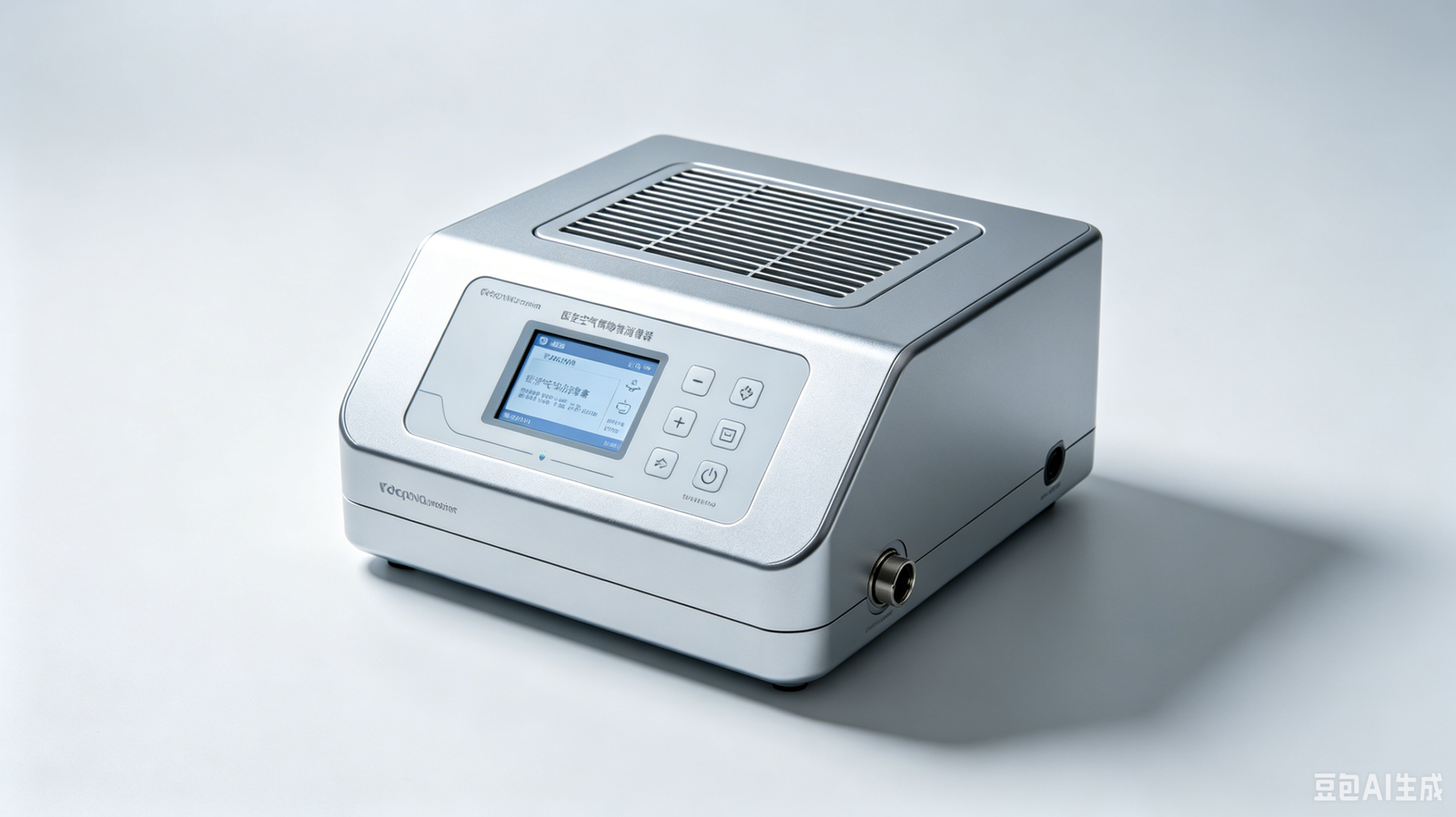
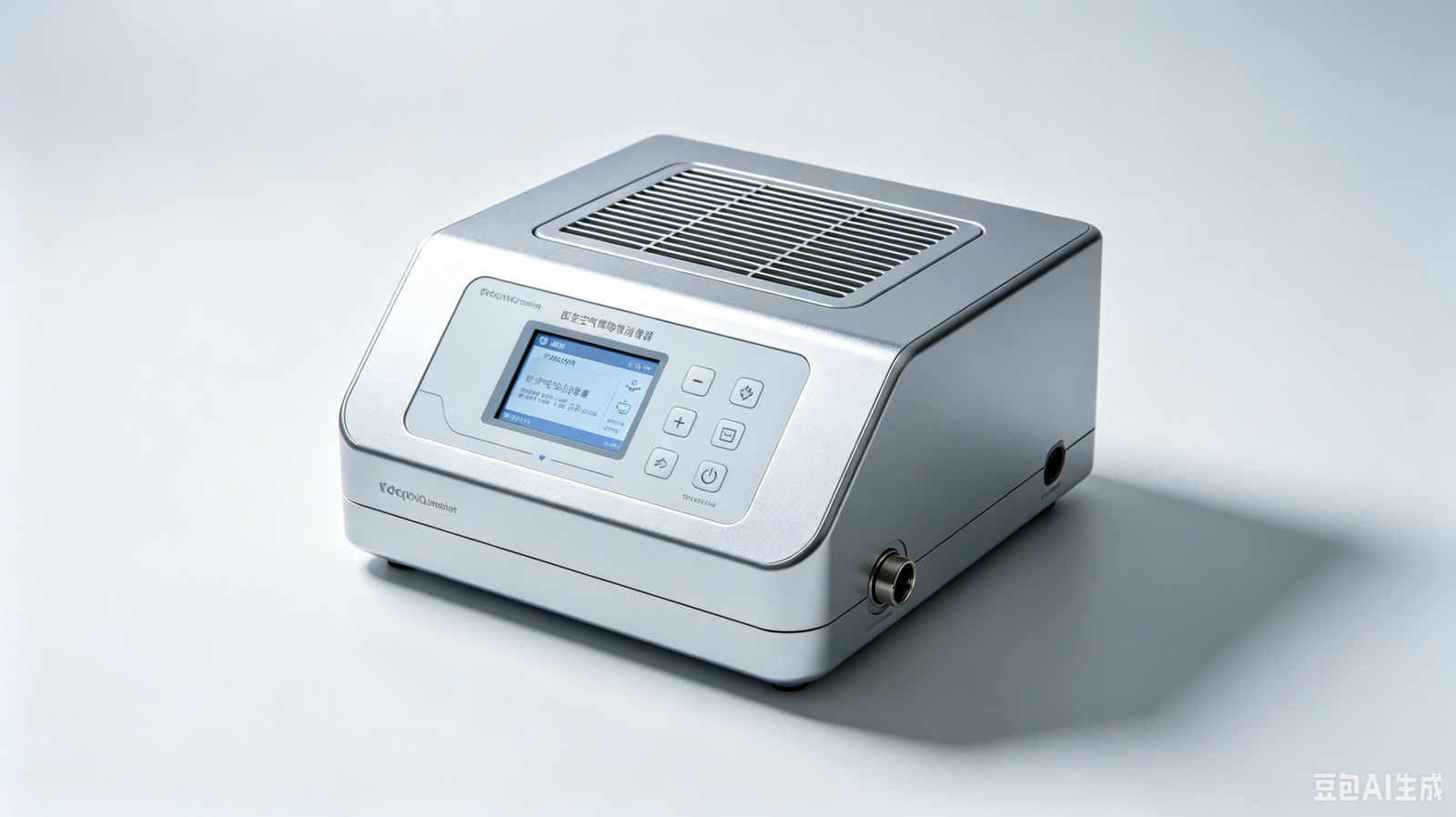
A plasma disinfection device generates high-energy charged particles inside a sealed reaction chamber2. These particles kill microorganisms inside that chamber. What exits the device is treated, clean air — not a stream of charged particles. The only byproducts that leave the device in trace amounts are reactive oxygen species, including small quantities of ozone.
The key word in that description is "trace." The amount of ozone released by a certified medical-grade plasma device is regulated and measured. Here is why that matters.
What leaves the device and what stays inside?
The reaction inside the plasma chamber happens in two stages. In the first stage, high-energy particles directly destroy microorganisms that pass through the chamber. This happens inside the device. Nothing living exits.
In the second stage, reactive particles — including hydroxyl radicals (OH·), oxygen atoms (O), and ozone (O₃)3 — are projected outward from the chamber. These particles attack microorganisms that are sitting on the surface of the internal filter, preventing the filter from becoming a reservoir for bacteria. This is a design feature that solves a long-standing problem in air disinfection equipment.
| Zone | What Happens | What Exits to the Room |
|---|---|---|
| Inside the chamber | Microorganisms carbonized by high-energy particle impact | Nothing — all microorganisms destroyed |
| Filter surface | Reactive particles oxidize and kill trapped microorganisms | Trace ozone at regulated levels |
| Room air | Clean, disinfected air circulated back into the space | Air meeting Class I or Class II medical environment standards |
The ozone that enters the room air is the main safety variable. Every other byproduct is contained or consumed within the device. This is why ozone output is the primary regulatory focus for plasma disinfection devices used in occupied spaces.
What Do International Safety Standards Actually Say?
People in hospital procurement, infection control, and engineering often ask me whether these devices comply with existing standards. This is the right question, and the answer requires a direct comparison between what the standards require and what the devices actually produce.
International occupational safety bodies set ozone exposure limits to protect people in enclosed environments. The World Health Organization (WHO) recommends an indoor air ozone concentration limit of 0.10 mg/m³4. China's national standard for medical disinfection equipment sets a maximum residual ozone concentration of 0.16 mg/m³5 for occupied-space devices. Certified plasma devices operate well within these limits.
Understanding the margin between the actual output and the safety limit is important. A device that sits right at the limit is very different from a device that operates at a fraction of the limit.
How do the numbers compare?
| Standard / Guideline | Ozone Limit | Source |
|---|---|---|
| WHO Indoor Air Quality Guideline | 0.10 mg/m³ | World Health Organization |
| China Medical Disinfection Equipment Standard | 0.16 mg/m³ | National Regulation (WS/T 367) |
| Typical certified plasma device output | ≤ 0.10 mg/m³ | Device technical specification |
| OSHA permissible exposure limit (8-hour workday) | 0.20 mg/m³ | US Occupational Safety and Health Administration |
A well-designed plasma disinfection device does not just pass the standard — it operates with a meaningful safety margin below the most conservative limit on this table. That margin exists because the reaction chamber is engineered to consume most of the ozone internally before air exits the device.
There is also a second point worth making here. Unlike UV-C disinfection lamps, plasma devices produce no ultraviolet radiation outside the unit6. There is no risk of skin burns, eye damage, or photo-degradation of materials in the room. The safety profile of plasma disinfection is fundamentally different from older occupied-space disinfection technologies.
Is It Safe for Patients, Including Vulnerable Populations?
Healthcare workers can evaluate technical specifications. Patients cannot. And in many cases, the patients in the highest-risk environments — ICUs, neonatal units, burn wards, hematology departments — are also the most physiologically vulnerable. Their safety is not negotiable.
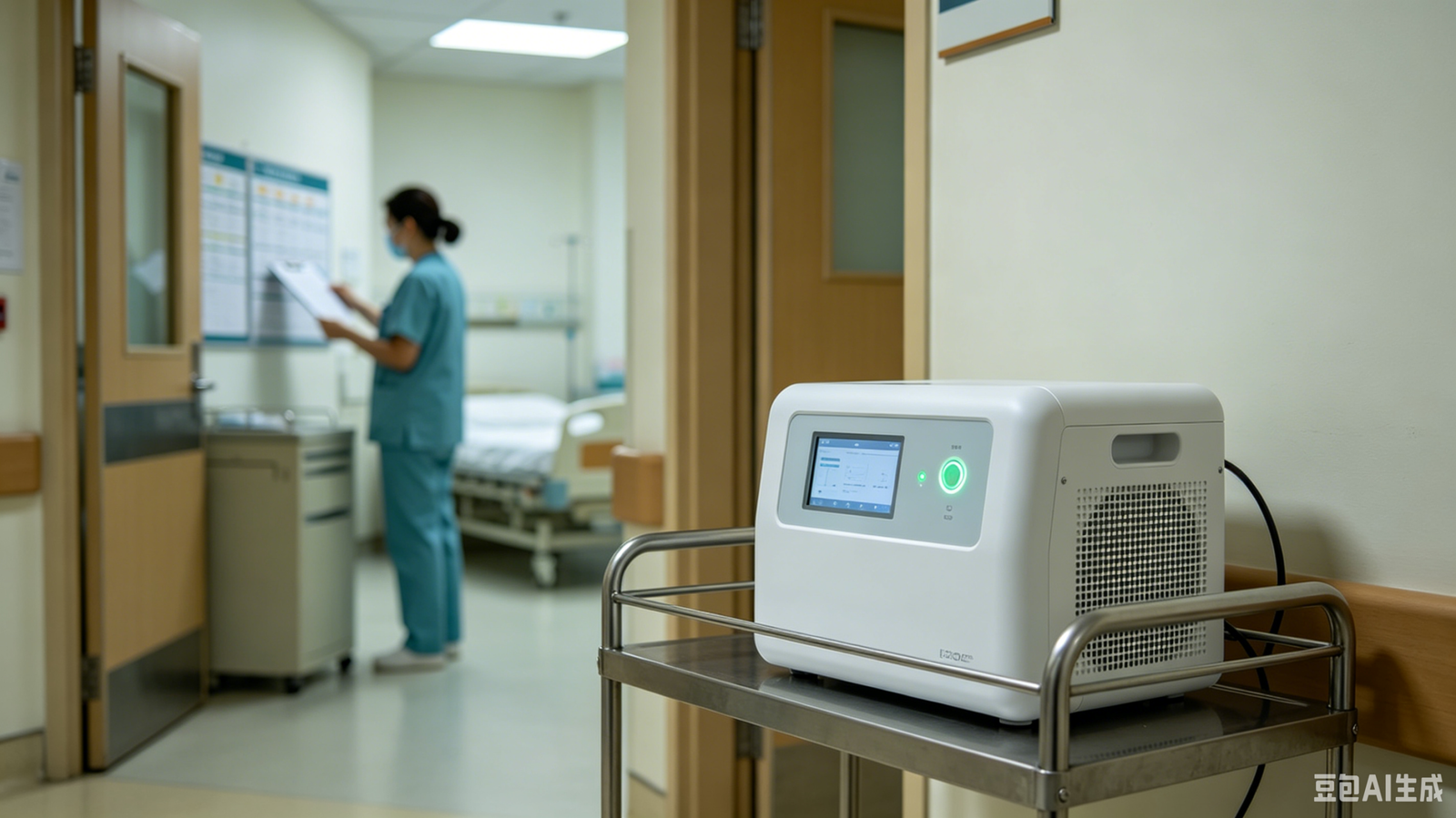
Medical-grade plasma devices are validated for use in environments that house vulnerable patient populations, including neonatal rooms, ICUs, and burn wards. At certified operating parameters, ozone output remains below concentrations that cause any measurable physiological effect in healthy adults, let alone the trace levels that reach any individual patient in a ventilated room.
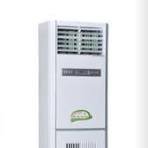
I have spoken with infection control directors who initially questioned whether neonatal units could safely run a plasma device continuously. Their concern was reasonable. Newborns, especially premature infants, have underdeveloped respiratory systems. Any airborne irritant — even at a level a healthy adult would not notice — is a legitimate concern.
Breaking down the safety case for vulnerable patients
The safety case rests on three layers.
Layer one: Concentration physics. Even in a small, enclosed room, ozone produced at the device's rated output disperses through the room volume. The concentration any individual patient is exposed to is a fraction of the device's maximum output concentration, not equal to it.
Layer two: Regulatory validation. Devices approved for use in neonatal rooms and ICUs have passed testing protocols that specifically evaluate performance in small, enclosed, high-sensitivity environments7. Approval for these environments is not automatic — it requires separate validation.
Layer three: No accumulation over time. Ozone has a short half-life in room conditions8. It reacts with organic matter and decomposes. It does not build up in the air over hours of device operation. The concentration in the room reaches a stable low level quickly and stays there.
| Patient Group | Primary Concern | Safety Mechanism |
|---|---|---|
| Premature infants | Underdeveloped respiratory system | Room-level ozone concentration remains below detection threshold for irritation |
| ICU patients | Compromised immune and respiratory function | Continuous disinfection reduces pathogen load, net benefit exceeds residual risk |
| Burn patients | Open wounds, infection risk | Reduced airborne and surface microbial load directly improves outcomes |
| Immunocompromised (hematology) | Extreme infection susceptibility | Higher air quality standard achieved continuously, not just during unoccupied periods |
The clinical benefit for these populations — a continuous reduction in airborne pathogens — is not a marketing claim. It is the reason plasma disinfection was developed specifically for these high-risk medical environments in the first place.
How Does Plasma Compare to Other Occupied-Space Disinfection Options?
Safety in context matters. A technology does not exist in isolation. Hospitals choosing a disinfection method need to compare plasma against the alternatives they are already familiar with.
Plasma disinfection is one of the few technologies validated for continuous operation in occupied spaces. UV-C radiation and chemical fogging both require the room to be empty during operation. Photocatalytic oxidation and ionization technologies work in occupied spaces but lack the same level of peer-reviewed clinical validation for pathogen kill rates in medical environments.

I find that this comparison helps decision-makers more than any single technical specification. The practical question is not just "is this safe?" but "what are we choosing between?"
Direct comparison table
| Technology | Occupied Space Use | Continuous Operation | Surface Disinfection | Key Safety Concern |
|---|---|---|---|---|
| Plasma disinfection | ✅ Yes | ✅ Yes | ✅ Yes (filter surface) | Trace ozone — within regulated limits |
| UV-C disinfection | ❌ No (room evacuation required) | ❌ No | ❌ Limited | UV radiation — eye and skin damage |
| Chemical fogging | ❌ No (evacuation + ventilation required) | ❌ No | ✅ Yes | Chemical residues on surfaces and in air |
| HEPA filtration only | ✅ Yes | ✅ Yes | ❌ No | Filter becomes a bacterial reservoir over time |
| Photocatalytic oxidation | ✅ Yes | ✅ Yes | ❌ Limited | Incomplete pathogen destruction, limited medical validation |
The entry in the HEPA row deserves attention. HEPA filters are widely trusted, and that trust is mostly well-placed. But a HEPA filter traps microorganisms — it does not kill them. A filter loaded with live bacteria is a contamination risk during maintenance9. Plasma disinfection kills the microorganisms that accumulate on the filter surface. This removes one of the most persistent safety risks in conventional air filtration for medical environments.
Conclusion
Plasma disinfection devices operate safely in occupied rooms. Ozone output stays within international safety limits, no UV radiation or chemical residue is produced, and vulnerable patients in ICUs and neonatal units are protected, not put at risk.
"AIR-QUALITY STANDARDS - Indoor Pollutants - NCBI Bookshelf - NIH", https://www.ncbi.nlm.nih.gov/books/NBK234057/. The World Health Organization recommends an indoor air ozone concentration limit of 0.10 mg/m³ for 8-hour exposure, while OSHA sets a permissible exposure limit of 0.20 mg/m³ for occupational settings. Evidence role: statistic; source type: institution. Supports: International safety thresholds for ozone exposure in occupied indoor environments. Scope note: These are general indoor air quality standards, not specific to medical-grade plasma disinfection devices ↩
"Non‐thermal plasma decontamination of microbes: a state of the art", https://pmc.ncbi.nlm.nih.gov/articles/PMC12000644/. Non-thermal plasma generates reactive oxygen and nitrogen species (RONS) including charged particles, free radicals, and UV photons that damage microbial cell membranes, proteins, and nucleic acids through oxidative stress. Evidence role: mechanism; source type: paper. Supports: The antimicrobial mechanism of non-thermal plasma technology. Scope note: This describes the general mechanism of plasma antimicrobial action but does not validate specific device designs or sealed chamber configurations ↩
"Non-Thermal Plasma Application in Medicine—Focus on Reactive ...", https://pmc.ncbi.nlm.nih.gov/articles/PMC10454508/. Atmospheric pressure non-thermal plasma generates multiple reactive oxygen species (ROS) including atomic oxygen (O), ozone (O₃), hydroxyl radicals (OH·), singlet oxygen, and hydrogen peroxide, along with reactive nitrogen species when air is used as the working gas. Evidence role: mechanism; source type: paper. Supports: The types of reactive species generated by atmospheric plasma. ↩
"WHO global air quality guidelines: particulate matter (PM2.5 and ...", https://www.who.int/publications/i/item/9789240034228. The WHO Air Quality Guidelines recommend a maximum 8-hour mean ozone concentration of 100 μg/m³ (0.10 mg/m³) to protect public health from respiratory effects. Evidence role: statistic; source type: institution. Supports: WHO's recommended ozone exposure limit for indoor air quality. ↩
"Ozone Disinfection Efficiency Against Airborne Microorganisms in ...", https://pmc.ncbi.nlm.nih.gov/articles/PMC9985346/. Chinese national standard WS/T 367 for medical disinfection equipment specifies maximum allowable ozone concentrations for devices operating in occupied medical spaces. Evidence role: statistic; source type: government. Supports: China's regulatory limit for ozone from medical disinfection equipment. Scope note: The specific 0.16 mg/m³ value requires verification from the official standard document ↩
"The History of Ultraviolet Germicidal Irradiation for Air Disinfection", https://pmc.ncbi.nlm.nih.gov/articles/PMC2789813/. While non-thermal plasma does generate UV photons as part of the discharge mechanism, properly designed enclosed plasma reactors contain this radiation within the treatment chamber, preventing external UV exposure. Evidence role: mechanism; source type: paper. Supports: UV radiation characteristics of non-thermal plasma systems. Scope note: This describes design principles rather than confirming zero UV emission for all commercial plasma disinfection devices ↩
"Assessment of surface cleaning and disinfection in neonatal ... - PMC", https://pmc.ncbi.nlm.nih.gov/articles/PMC6911881/. Medical air disinfection devices intended for use in critical care environments must comply with medical device safety standards such as IEC 60601 series and undergo regulatory review by authorities like the FDA or equivalent bodies, which evaluate safety for vulnerable patient populations. Evidence role: general_support; source type: government. Supports: Regulatory frameworks for medical air disinfection devices in critical care settings. Scope note: This describes general medical device regulatory frameworks rather than plasma-specific testing protocols for neonatal or ICU use ↩
"Investigating Ozone Reactivity and Fate in an Indoor Environment", https://www.chem.colostate.edu/seminars/analytical-pre-candidacy-seminar-5/. Ozone half-life in indoor air typically ranges from minutes to hours depending on temperature, humidity, and the presence of reactive surfaces and organic compounds, preventing long-term accumulation in occupied spaces. Evidence role: mechanism; source type: paper. Supports: Ozone decomposition kinetics in indoor environments. ↩
"C. Air | Infection Control - CDC", https://www.cdc.gov/infection-control/hcp/environmental-control/air.html. Studies of HEPA filter maintenance in healthcare settings have documented microbial colonization of filter media and potential for bioaerosol release during filter replacement, highlighting the importance of proper handling protocols. Evidence role: case_reference; source type: paper. Supports: Contamination risks associated with HEPA filter maintenance in healthcare. ↩
Leave a Reply